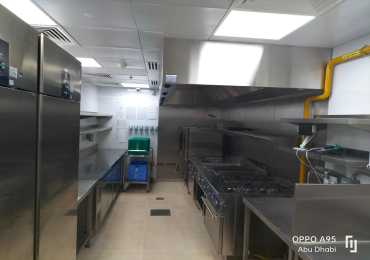

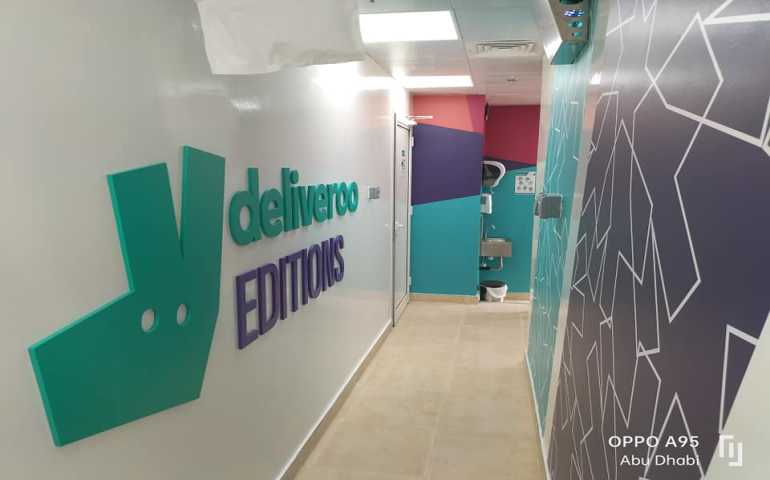
INTERIOR FIT OUT PROJECT
Project Overview: The Green Interior Transformation
This project aims to transform a raw interior shell into a high-performance, carbon-conscious environment. Our approach integrates biophilic design, circular economy principles, and advanced building technology to ensure that the beauty of the space is matched by its ecological integrity.
1. Sustainable Material Selection
We prioritize materials that have a low environmental footprint and promote a healthy indoor climate:
-
Reclaimed & Recycled Content: Use of FSC-certified timber, reclaimed wood flooring, and acoustic panels made from recycled PET bottles.
-
Low-VOC Finishes: Selection of paints, adhesives, and sealants with zero or ultra-low Volatile Organic Compounds (VOCs) to ensure superior indoor air quality.
-
Circular Sourcing: Prioritizing "Cradle-to-Cradle" certified products that can be fully recycled or repurposed at the end of their life.
2. Energy & Resource Efficiency
The fit-out is engineered to minimize operational costs and energy consumption:
-
Smart Lighting Systems: Installation of high-efficiency LED fixtures coupled with daylight harvesting sensors and occupancy controls.
-
HVAC Optimization: Integration of smart thermostats and zoned ventilation to reduce energy waste while maintaining thermal comfort.
-
Water Conservation: Implementation of low-flow faucets and sensors in pantry and restroom areas.
3. Biophilic Design & Wellbeing
A sustainable space must support the people within it. This project incorporates:
-
Living Walls: Integrating indoor greenery to naturally filter air and improve acoustics.
-
Natural Light Maximization: Using glass partitions and open-plan layouts to allow sunlight to penetrate deep into the floor plate.
-
Ergonomics: Providing adjustable workstations and breakout zones designed to support physical health and mental focus.
4. Waste Management & Construction Ethics
Sustainability starts on day one of the construction process:
-
Diversion from Landfill: A strict waste-segregation policy on-site to ensure timber, metal, and drywall scraps are recycled.
-
Prefabrication: Utilizing off-site modular construction for certain elements to reduce on-site waste and noise pollution.
-
Local Sourcing: Reducing "embodied carbon" by sourcing furniture and materials from local craftsmen and manufacturers.
-
Why This Matters
By choosing a sustainable fit-out, you are not only reducing your carbon footprint but also lowering long-term utility costs and creating a vibrant space that attracts and retains top talent.